The lost art of doing nothing.
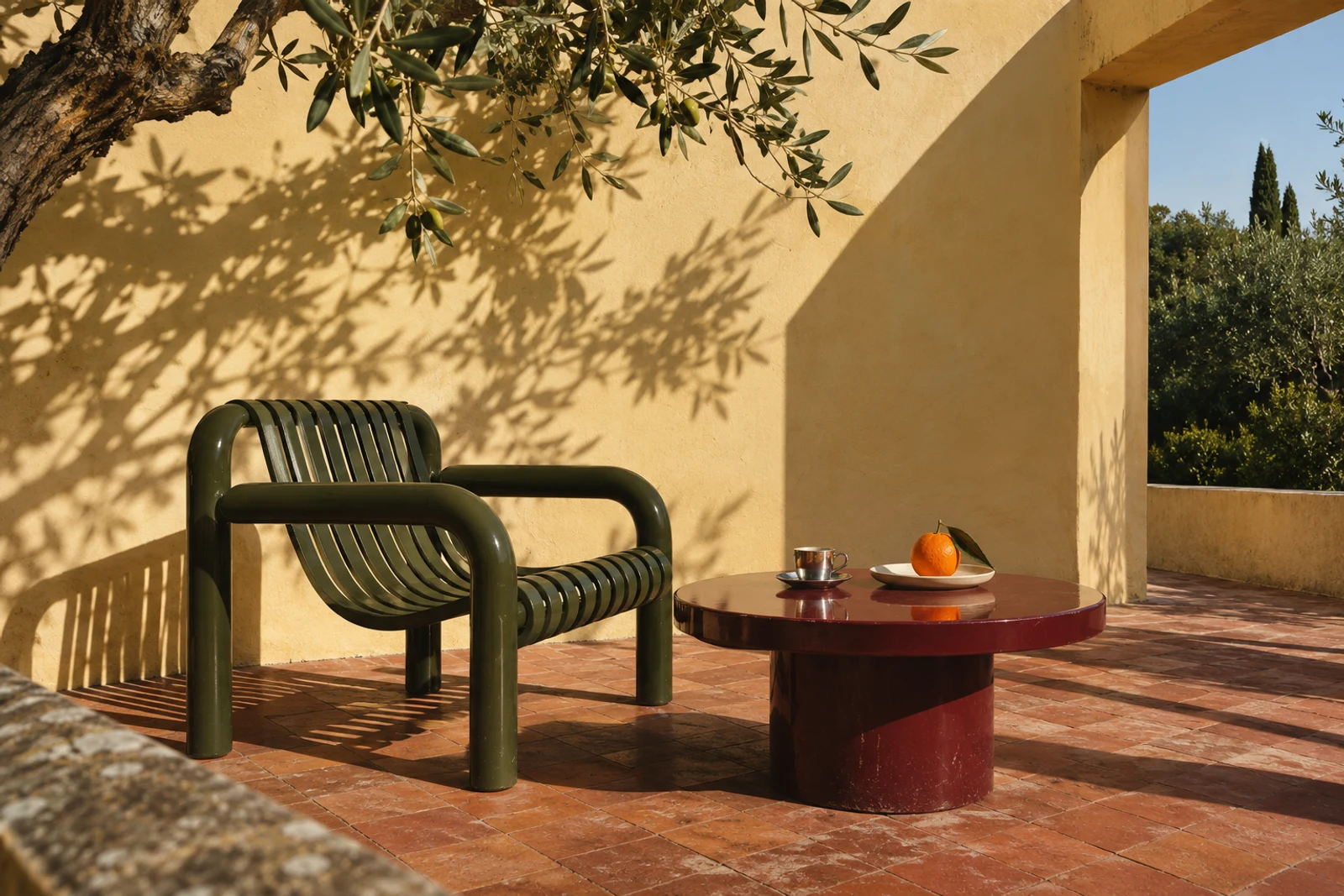
An open afternoon. A chair in the sun. Permission to leave a little room in your day.
There is a peculiar kind of pressure attached to a free afternoon. Before it has even begun, it seems to require a plan. A walk should become exercise. A book should become a reading goal. Even sitting quietly can acquire a timer, a method, and a promise that you will be better at something afterward.
What if an afternoon could simply be an afternoon?
Doing nothing, in the sense we mean here, is not an achievement to unlock. It is a small opening in the day: time that does not need to justify its existence. You might watch the light move across a wall. You might peel an orange slowly enough to notice the little spray of oil from its skin. You might start a conversation that wanders somewhere you did not expect.
Leave a space, rather than make a plan
The most useful preparation is often subtraction. Choose a short, ordinary stretch of time. Put the phone somewhere that requires standing up to reach it. Leave the headphones on the table. You do not need a beautiful courtyard, the right chair, or an uninterrupted weekend.
A kitchen stool will do. So will the seat beside a window, or a bench on a familiar route. The point is not to arrange a scene that looks restful from the outside. It is to stop asking the scene to deliver something.
If an open afternoon is impossible, try the few minutes between finishing lunch and washing up. Small intervals count. You are not failing at leisure because someone needs you, because the kettle interrupts, or because your mind keeps returning to tomorrow’s list.
Let the ordinary become interesting
At first, very little may seem to happen. That is part of the experience. Without a stream of new information, your attention has fewer places to go. It may settle on the chipped edge of a cup, the shape of a shadow, or a sound that was there all along.
You do not have to name five things, write an observation, or turn any of it into a practice. Notice what you notice. Let the rest pass.
An object you have stopped seeing can become interesting again when you spend a moment with it. A wooden table is a map of joins, scratches, and decisions. A street tree has an entire architecture overhead. Even a plain wall changes as the light shifts. None of these things need you to buy anything or go anywhere.
A little unclaimed time is still time well spent.
Resist making a better version of it
It is tempting to improve the experience immediately: a special drink, a new notebook, a playlist selected for exactly this mood. There is nothing wrong with those pleasures. But they can quietly turn an opening into another production.
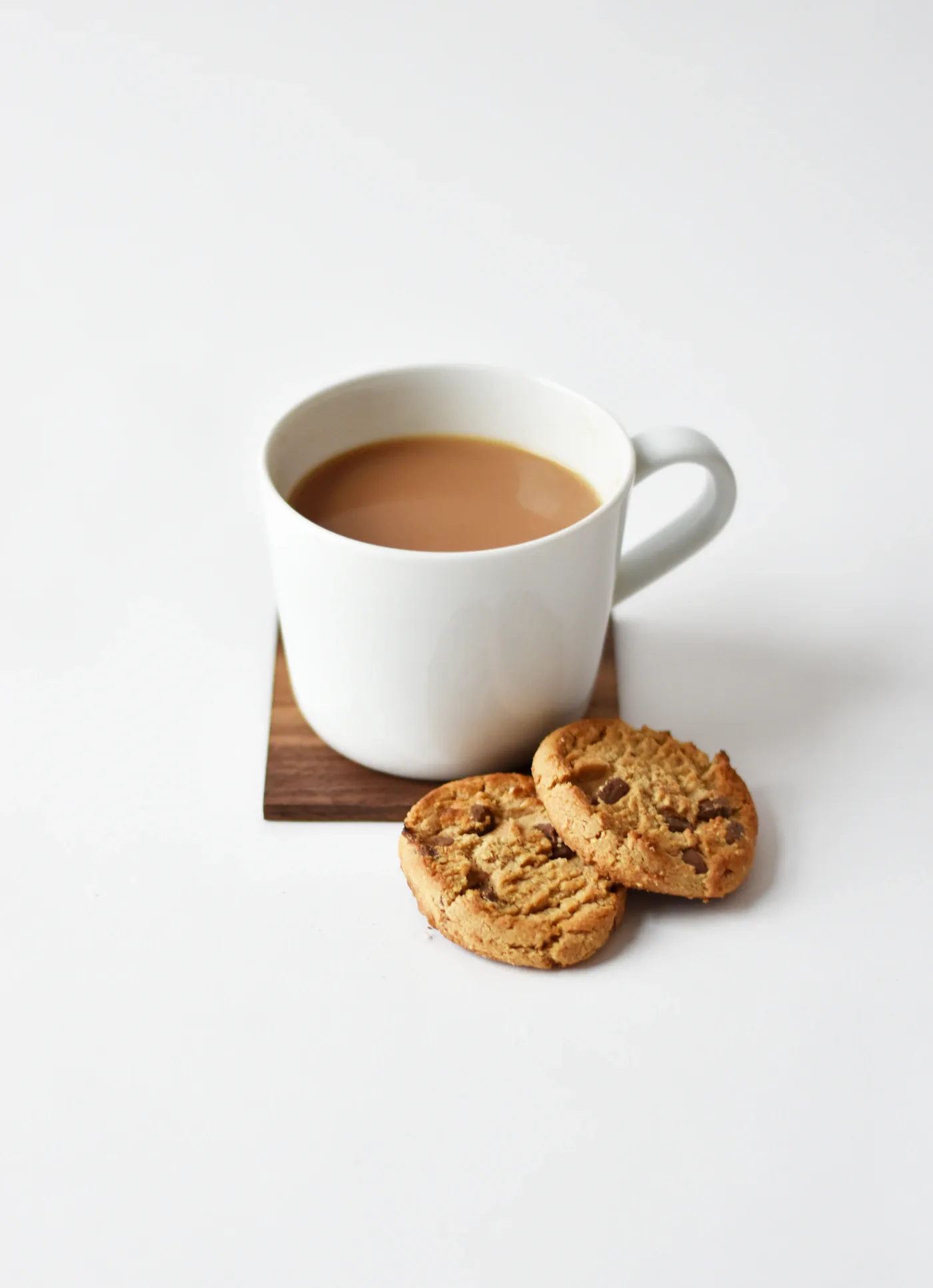
Try beginning with what is already within reach. Drink the water in your glass. Sit where there is room. Wear what you are wearing. If you become bored, let boredom stay for a moment before deciding that it is a problem.
This is not an argument against ambition or activity. Busy days have their own satisfactions. Making things, learning things, and caring for other people can be deeply absorbing. An unclaimed interval belongs beside those things, without needing to compete with them.
Take nothing away
When the interval ends, you do not owe it a lesson. There need not be a photograph, a journal entry, or a conclusion about the person you are becoming. You can get up, rinse the glass, and return to your day.
Perhaps you will feel different. Perhaps you will simply have spent a little time in your own company. Both are allowed.
For an afternoon with nothing on the agenda, that seems like plenty.
Keep this one for a quiet moment.